


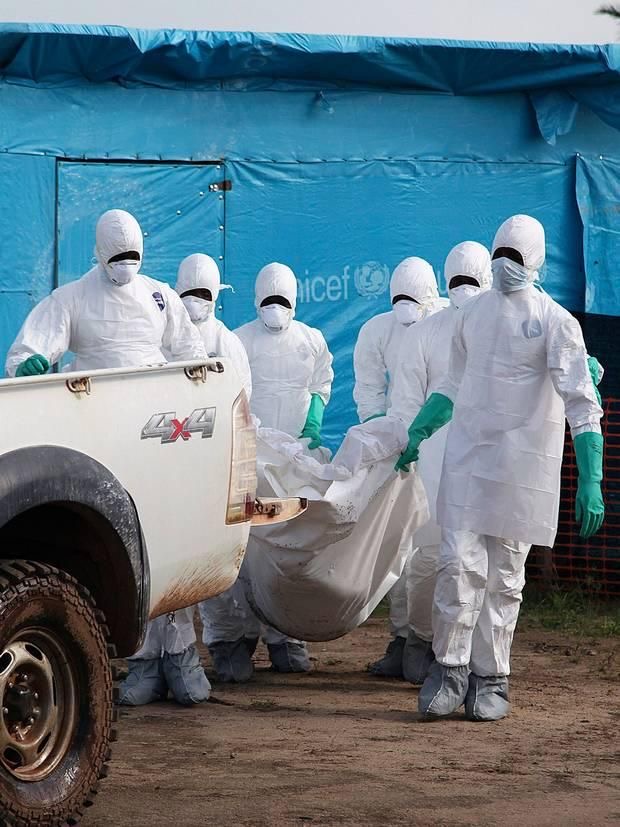
In mid-May 2026, an active Ebola outbreak was reported in the eastern part of the Democratic Republic of Congo (DRC), adding a new humanitarian challenge to a region already overwhelmed by years of armed conflict and displacement.
For more than five years, communities in eastern Congo have been living under constant insecurity following the resurgence of the M23 rebellion. The reappearance of Ebola now threatens to make life even more difficult for a population that is already struggling with violence, poverty, and limited access to healthcare.
The virus involved in the current outbreak is known as Bundibugyo ebolavirus, one of the less common species of the Ebola virus. It was first identified in 2007 in the Bundibugyo District of western Uganda.
According to available reports, the outbreak has primarily affected Ituri Province, with limited spread into neighboring Uganda. Between 246 and 336 suspected cases have been identified, and approximately 10 deaths have been reported in Ituri.
This outbreak is particularly concerning because there is currently no fully approved vaccine specifically proven to protect against the Bundibugyo strain. In response, the World Health Organization (WHO) declared the outbreak a Public Health Emergency of International Concern (PHEIC) on May 17, 2026, while noting that the overall global risk remains low.
This marks the DRC’s 17th recorded Ebola outbreak since the virus was first discovered in 1976. However, the current situation is especially alarming because it is unfolding in a region characterized by high population mobility and ongoing insecurity.
Thousands of people have been forced to flee their homes and live in overcrowded conditions, often with inadequate sanitation and limited medical services. These factors could significantly increase the risk of transmission.
Border restrictions are also possible, as neighboring countries may take precautionary measures to protect their populations. Such decisions could further disrupt trade and daily life in cities such as Goma, Bukavu, and other parts of the region.
Congolese authorities, together with international health partners, are mobilizing resources to contain the outbreak as quickly as possible. Having faced numerous Ebola outbreaks in the past, the DRC has substantial experience in responding to this deadly disease.
For the people of eastern Congo, however, the resurgence of Ebola represents yet another burden in a region already enduring years of conflict and instability.