

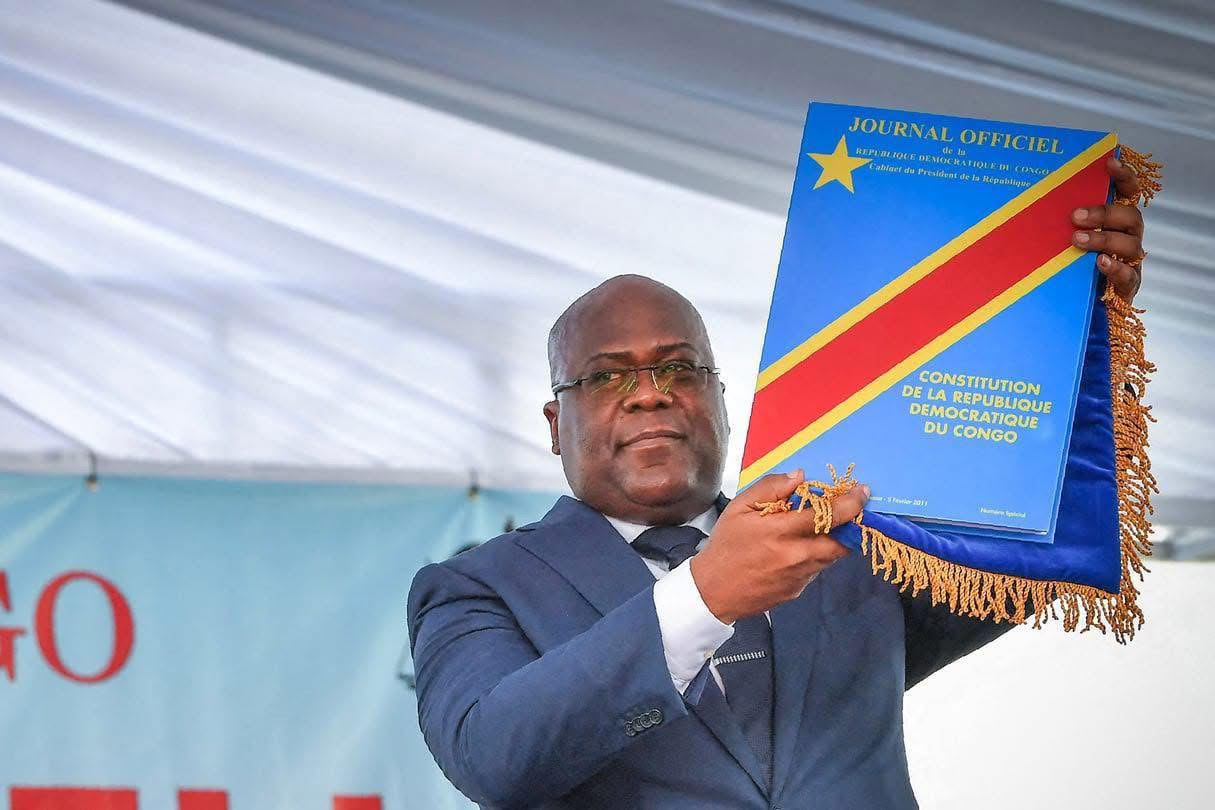
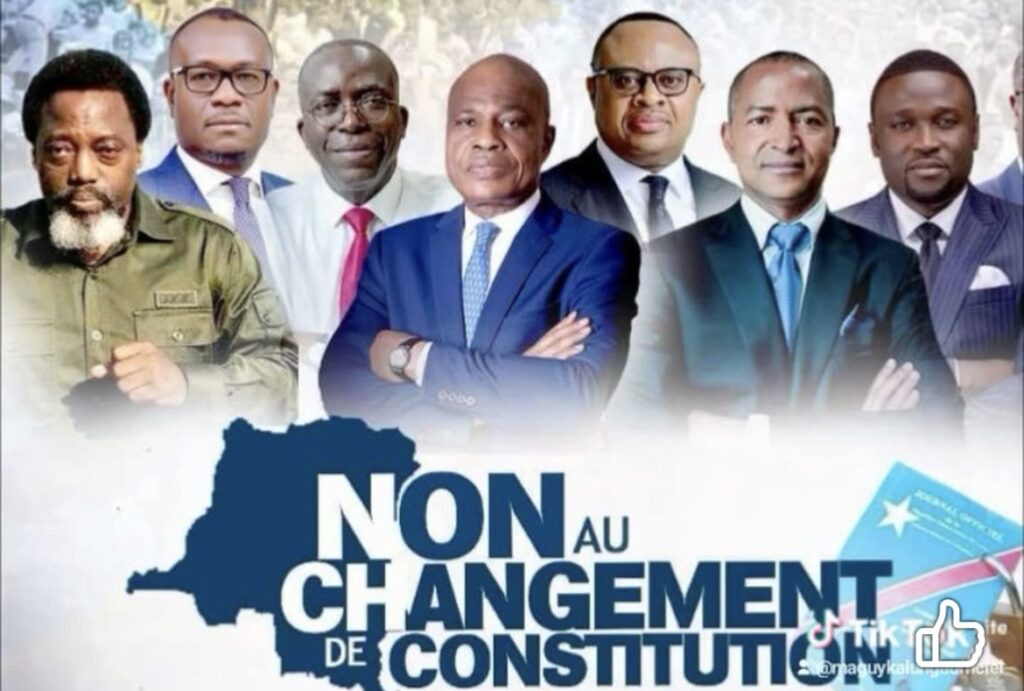
For more than a year, political parties in the Democratic Republic of the Congo have been divided over the possibility of amending the Constitution.
The ruling coalition argues that certain provisions of the current Constitution limit the government’s ability to exercise its authority effectively and respond to the needs of the population. Supporters of constitutional reform also claim that some sections of the Constitution were designed under foreign influence and no longer adequately reflect the realities and aspirations of the Congolese people.
Opposition parties, however, have strongly opposed any constitutional amendment initiative. They argue that attempts to revise the Constitution could be used to undermine democratic principles and prolong the current administration’s stay in power.
“Félix Tshisekedi supports constitutional reform not for the well-being of the population, but to remain in power beyond the limits established by the Constitution,” several opposition figures have argued.
A Mandate or a Mission?
Tensions involving religious leaders intensified following President Félix Tshisekedi’s press conference on May 6, 2026, at the State House in Kinshasa. During the event, which lasted more than three hours, the president addressed a wide range of national issues, including the country’s security situation and preparations for the next general elections scheduled for December 2028.
Responding to questions about the electoral process, President Tshisekedi stated that it would be difficult to focus on elections while part of the national territory remains under the control of armed groups.
The eastern regions of the country have been affected by conflict for several years. The M23 rebellion, which the Congolese government and several international actors accuse Rwanda of supporting, has expanded its presence and taken control of strategic areas in North Kivu and South Kivu provinces.
For many politicians aligned with the presidency, organizing elections while portions of the country remain occupied could create political and constitutional complications. Some argue that excluding citizens from occupied territories would risk deepening national divisions.
At the same time, many of these political figures support constitutional reform, a position that has generated criticism from opposition parties.
During the same press conference, President Tshisekedi addressed speculation regarding a possible third term. While denying that he had formally requested one, he stated:
https://www.worldpoliticsreview.com/drc-tshisekedi-third-term/: Politics and Religion: A New Spark of Controversy in the DRC“I have not asked for a third term, but if the people want me to have a third term, I will accept.”
He further emphasized that any constitutional revision would require the approval of the Congolese people through a referendum.
Opposition leaders rejected the proposal, insisting that constitutional limits must be respected. Some critics have even suggested that the continuation of the conflict benefits the current administration politically, an accusation strongly rejected by government supporters.
For opposition parties, organizing elections remains the priority, as they believe democratic alternation is essential for the country’s future.
“A referendum held without the participation of North Kivu and South Kivu would amount to balkanization,” argued Francine Muyumba, former senator and member of the PPRD.
The Debate Around Article 217
Days after the press conference, several church leaders publicly expressed support for President Tshisekedi and for constitutional reform.
A central point of their argument concerns Article 217 of the Congolese Constitution, which states:
“The Democratic Republic of the Congo may conclude treaties or agreements of association or community involving a partial relinquishment of sovereignty with a view to promoting African unity.”
Supporters of constitutional reform argue that no country should be permitted to relinquish any aspect of its sovereignty, even within the framework of African integration.
Opposition figures, however, maintain that the article does not threaten the territorial integrity of the DRC and note that similar provisions exist in several African constitutions.
Mali’s Constitution contains a comparable clause in Article 117:
“The Republic of Mali may conclude with any African State agreements of association or community comprising the partial or total abandonment of sovereignty with the view of realizing African unity.”
Burkina Faso’s Constitution includes a similar provision in Article 146:
“Burkina Faso may conclude with any African State agreements of association or community implying a total or partial abandonment of sovereignty.”
The Central African Republic also contains a comparable clause in Article 67:
“The Republic may, after referendum, conclude with any African State agreements of association or merger involving partial or total abandonment of sovereignty in order to realize African unity.”
These constitutional similarities have led opponents of reform to argue that Article 217 is not the true motivation behind calls for constitutional change.
Religious Leaders Enter the Debate
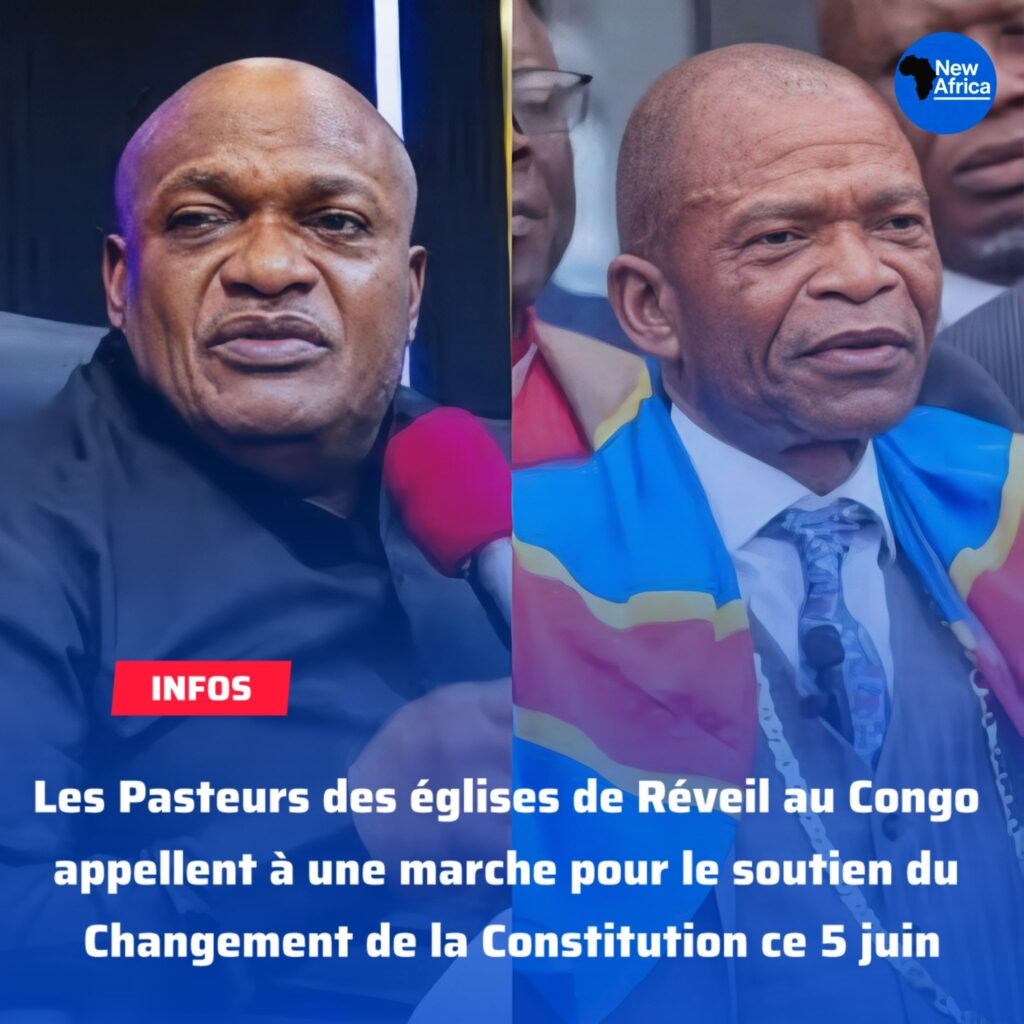
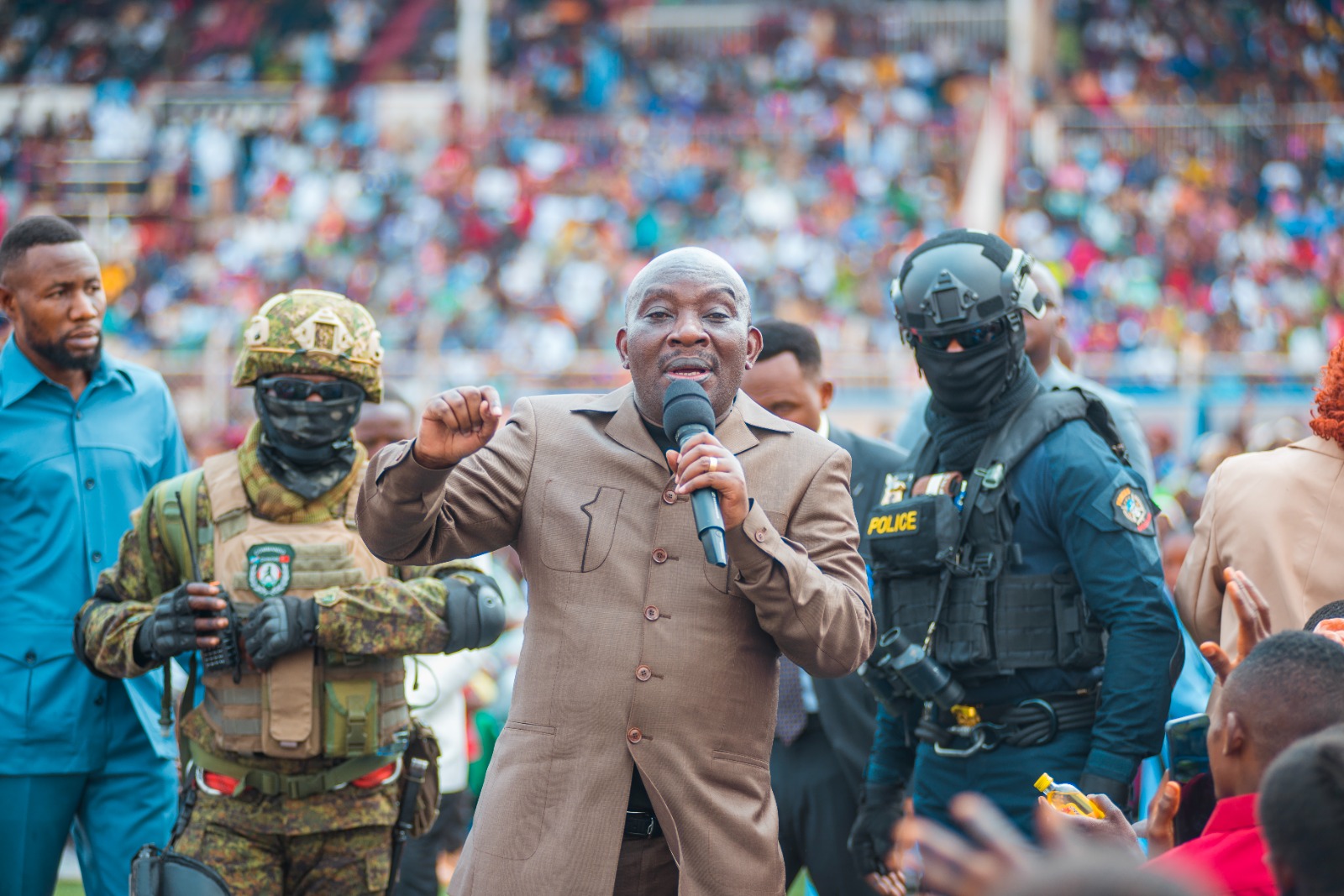
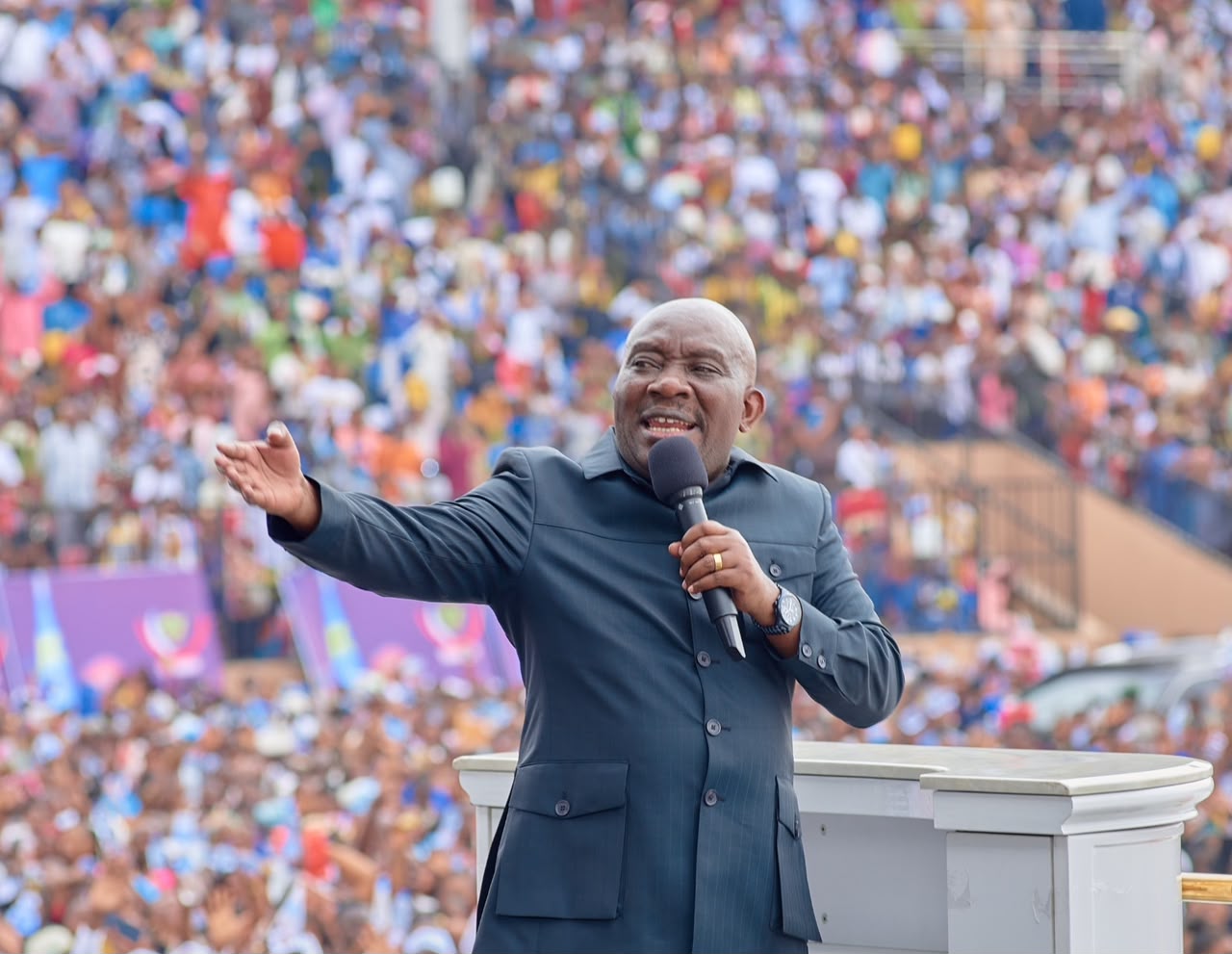
Religious leaders have often been more direct than politicians in expressing their views on the constitutional debate.
Archbishop Évariste Ejiba Yamapia, President of the Revival Church of Congo and Archbishop of the Pentecostal Church of the Rescuers, has been among the most vocal supporters of constitutional reform. Rather than advocating a simple revision, he has called for a complete overhaul of the Constitution.
According to him, President Tshisekedi is carrying out a mission rather than merely serving a mandate. He argues that while a mandate has a defined duration, a mission ends only when its objectives have been achieved.
Prophet Mulindwa Jules, founder and leader of City of Refuge Church, has also voiced strong support for constitutional reform. In public statements, he criticized opposition groups and argued that the current constitutional framework contributes to the country’s vulnerability in the face of security challenges.
His comments generated significant public debate and reactions across social media platforms.
Pastor Godé Mpoy likewise defended constitutional reform during gatherings organized by Revival Church leaders. He argued that constitutional change could contribute to economic development and political stability.
https://english.congovirtuel.com/drc-the-platform-of-revival-churches-in-congo-mobilizes-its-faithful-to-support-the-project-to-change-the-constitution/: Politics and Religion: A New Spark of Controversy in the DRC“The countries where presidents serve long mandates are stable. Russia, China and others are examples. Our priority is to change the Constitution, particularly in its economic aspects,” he argued.
Criticism and Division Within Religious Circles
The involvement of religious leaders in the constitutional debate has not gone unchallenged.
Apostle Moïse Mbiye leader of City Bethel Church criticized pastors who openly campaign in favor of constitutional reform, arguing that religious leaders should focus on their spiritual mission rather than political activism.
“There are pastors who gather to discuss politics, the amendment of the Constitution, and then preach about it in their churches. They no longer dedicate themselves to preaching the Gospel and blessing people,” he said.
His remarks received praise from many observers who viewed them as a defense of the separation between religion and politics.
However, only a few days later, Mbiye appeared alongside other religious leaders supporting constitutional reform. This shift prompted speculation among some members of the public, who alleged that pressure may have been exerted on him. No evidence has been presented to substantiate those claims.
A Nation Still Divided
The debate over constitutional reform continues to fuel tensions between the government, opposition parties, and influential religious leaders.
Supporters of constitutional change argue that reform is necessary to address the country’s security crisis, strengthen national sovereignty, and adapt institutions to current realities.
Opponents, meanwhile, insist that preserving constitutional limits and organizing elections should remain the nation’s priority. They argue that constitutional reform cannot be separated from concerns about democratic governance and political succession.
As the debate intensifies, the Democratic Republic of the Congo remains deeply divided over what many consider one of the most consequential political questions facing the nation today.